Inspection to Japanese tolerance
AQL levels tightened to what Japanese buyers actually accept, checked before packing rather than argued after arrival.


 Japan desk
CEPA near-zero duty on textiles and handicrafts, Yokohama and Kobe on a route with no political risk, and an inspection standard set for buyers who reject on detail.
Slow to decide and extremely loyal once decided. The fiscal year opens in April, gifting peaks at Ochugen in July and Oseibo in December, and Golden Week and Obon pause business entirely.
AQL levels tightened to what Japanese buyers actually accept, checked before packing rather than argued after arrival.
India–Japan CEPA puts near-zero duty on textiles and handicrafts, with origin documentation handled as routine.
Pacific sailings to Yokohama and Kobe — no canal exposure, no sanctions screening and no route note.
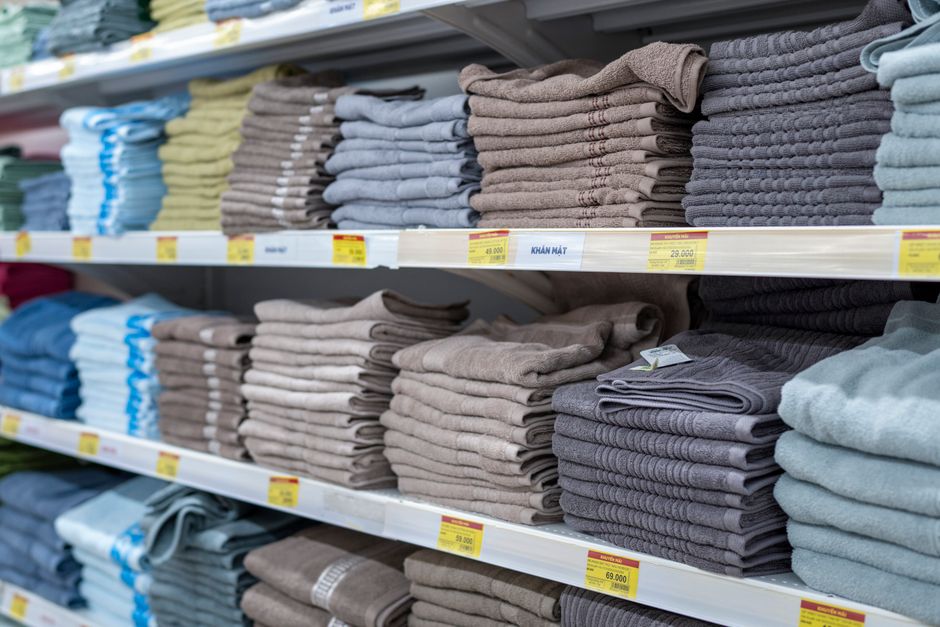
Organic cotton towels and linen in buyer-specified GSM, inspected to Japanese acceptance levels.
HS 63
Handmade décor and tableware, drop-tested export packing, treated timber where required.
HS 44
Handmade paper and moulded tableware with compostability test reports.
HS 48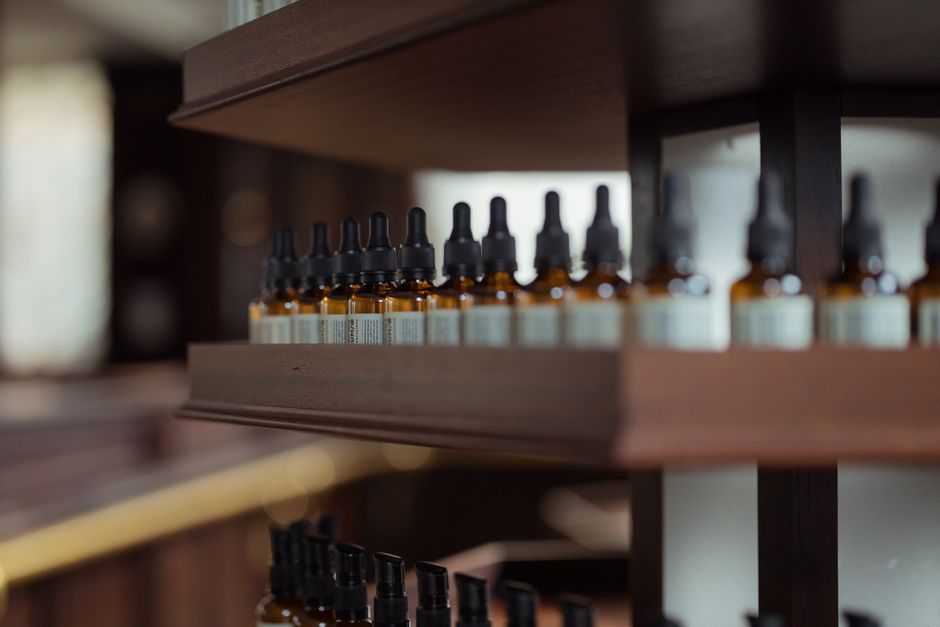
Steam-distilled oils with GC-MS reports and batch traceability.
HS 33
Steam-sterilised, lab-tested per lot against Japanese residue standards.
HS 09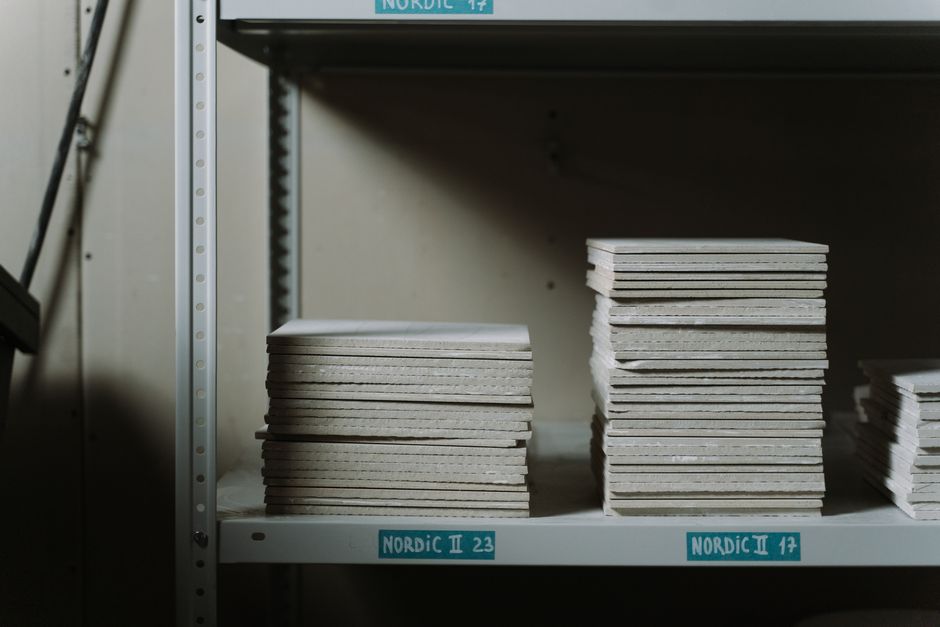
Morbi tiles and tableware in full container loads with breakage-tested export packing.
HS 69Main line Pacific service.
Best for southern loading.
Weekly consolidated service.
Air freight from Soneth and Mumbai for samples and urgent replenishment, 3–5 days door to door. Transit times are indicative and confirmed at booking.
Japan runs three and a half hours ahead of IST and works a Monday–Friday week — our desk opens early to cover your full business day.
“Three shipments, zero rejections. The pre-shipment photographs matched what arrived, which is the only reason we moved our whole line to India.”
Send the specification, target landed cost and destination port. You will have three quoted, audited factories within five working days.